Alcohol De-addiction: How to Cut Down or Stop Safely
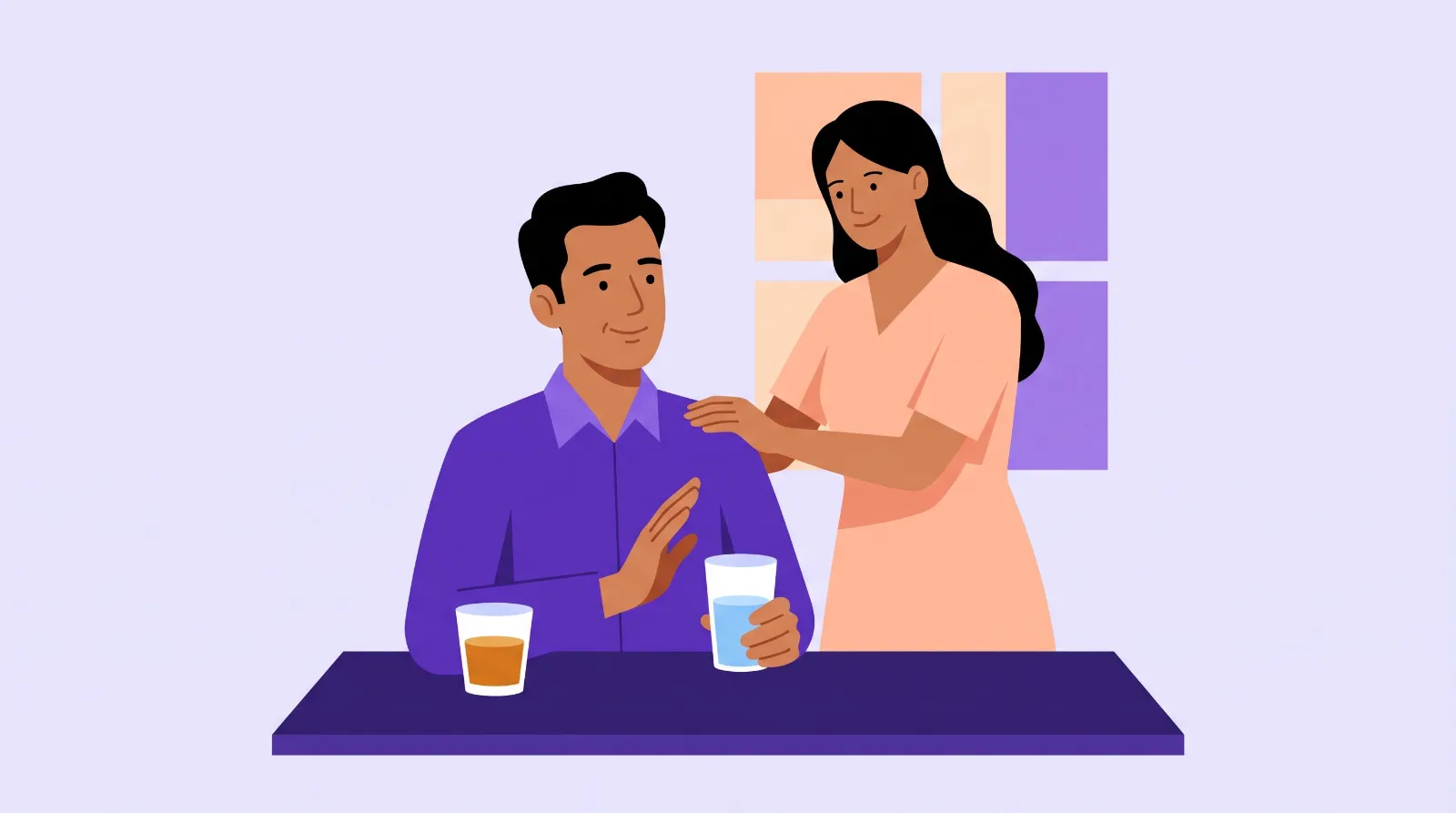
Many people who drink every day have tried to stop on their own, sometimes many times. They stop for a few days, feel shaky and restless, and go back to drinking to feel normal again. This is not a lack of willpower. Alcohol dependence is a medical condition, and like any medical condition it is best treated with medical help.
Signs that drinking has become a problem
Ask yourself honestly whether any of these are true:
• You need a drink to start the day, or to feel normal
• You drink more, or for longer, than you meant to
• You have tried to cut down and could not
• You need more alcohol than before to get the same effect
• You feel shaky, sweaty, anxious or unable to sleep when you do not drink
• Drinking has caused problems at work, at home or with your health, and you still continue
• Your family has asked you to cut down, or you hide how much you drink
If two or more are true, it is worth speaking to a doctor. There is no completely safe level of alcohol, and the less you drink, the lower the risk to your liver, heart, brain and family.
Why you should not stop suddenly on your own
If you have been drinking heavily every day, stopping suddenly can be dangerous. Withdrawal usually starts 6 to 24 hours after the last drink:
• Shaking of the hands, sweating, fast heartbeat
• Anxiety, irritability and poor sleep
• Nausea and vomiting
• In severe cases, seizures (fits), or confusion with seeing and hearing things that are not there (delirium tremens), which is a medical emergency
This is why daily heavy drinkers should stop under medical supervision, not alone at home.
Step 1: A safe detox
Detoxification means getting alcohol out of the body safely. The doctor gives medicines for a short period, usually about a week, that prevent dangerous withdrawal and help you sleep. These are reduced step by step and then stopped.
Vitamin B1 (thiamine) is given to protect the brain and nerves. Blood tests check the liver, blood sugar and salts. Most people can detox at home with daily follow-up; some need a short hospital stay if withdrawal is severe or there are other health problems.
Step 2: Staying sober
Stopping is the first step; staying stopped is the real work. Treatment usually combines:
• Medicines that reduce craving or make relapse less likely, chosen after checking your liver and other health conditions
• Counselling, including Motivational Enhancement Therapy, to understand your triggers and build a plan for difficult days
• Treating what lies underneath: many people drink to cope with depression, anxiety, poor sleep or stress, and these need their own treatment
• Involving the family, so that home becomes a place that supports recovery
A slip does not mean failure. It means the plan needs adjusting, and it is a reason to see your doctor sooner, not later.
For families
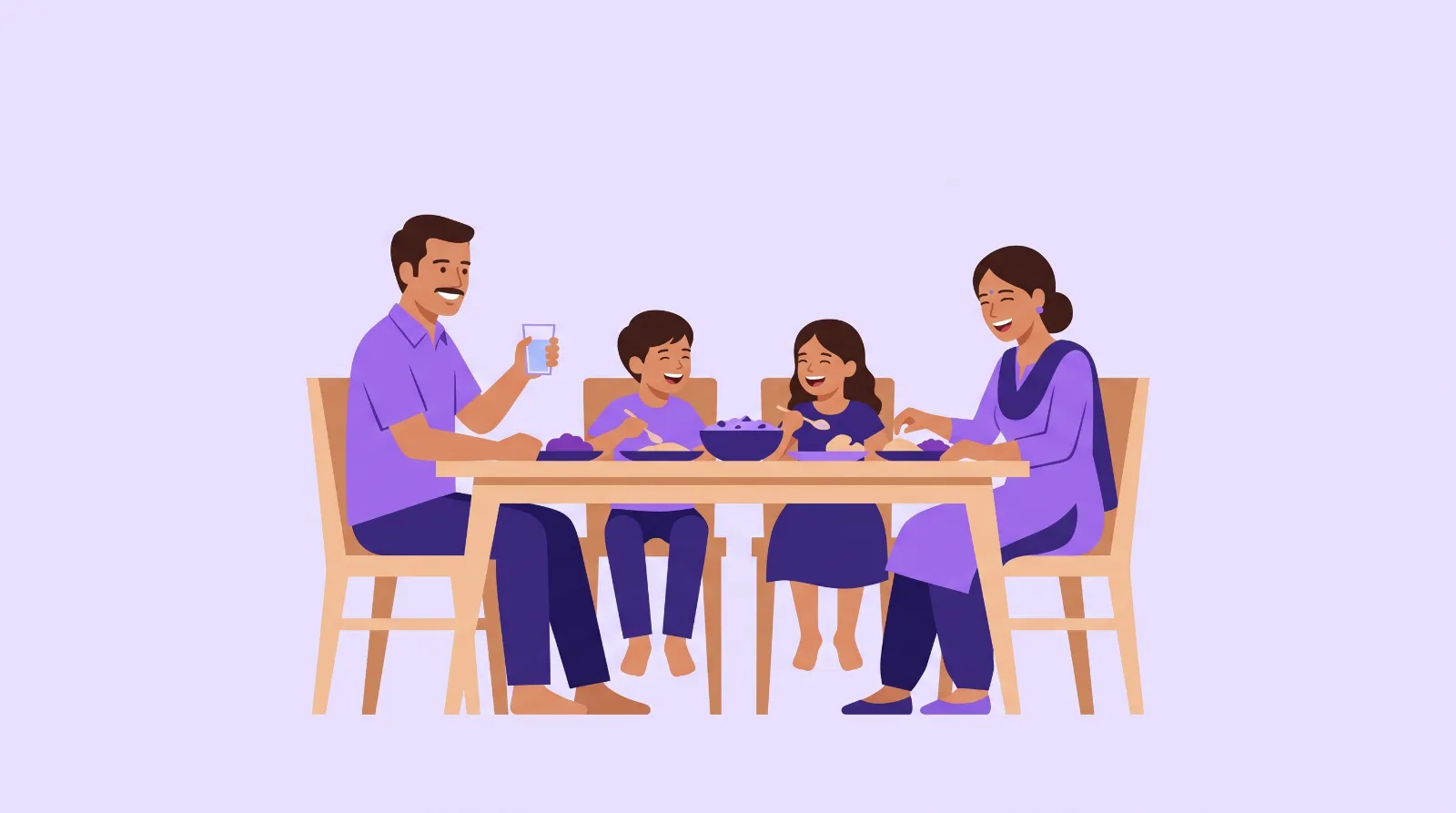
Living with someone who drinks is exhausting. Shouting, pleading and hiding bottles rarely work. What helps more is calm, honest conversation at a time when the person is sober, a clear message that you want them to get help, and taking care of your own health too.
You are welcome to come to the first consultation with them. If they are not ready yet, you can still speak to the doctor about how to support them.
Getting help in Hyderabad
Dr. Abdullah Kamlur, MBBS, MD (Psychiatry), treats alcohol, tobacco and cannabis use, and behavioural addictions, at Caspian Healthcare, Vijay Nagar Colony, and at Karla Mind & Neuromodulation, Jubilee Hills. Treatment is confidential and is offered in English, Hindi, Urdu and Telugu.
To book, call +91-94410 88486 or use the Book button on this page. If someone is having a fit, is confused or is seeing things during withdrawal, go to the nearest emergency department straight away.