Panic Attacks: What They Feel Like, Why They Happen and How They Are Treated
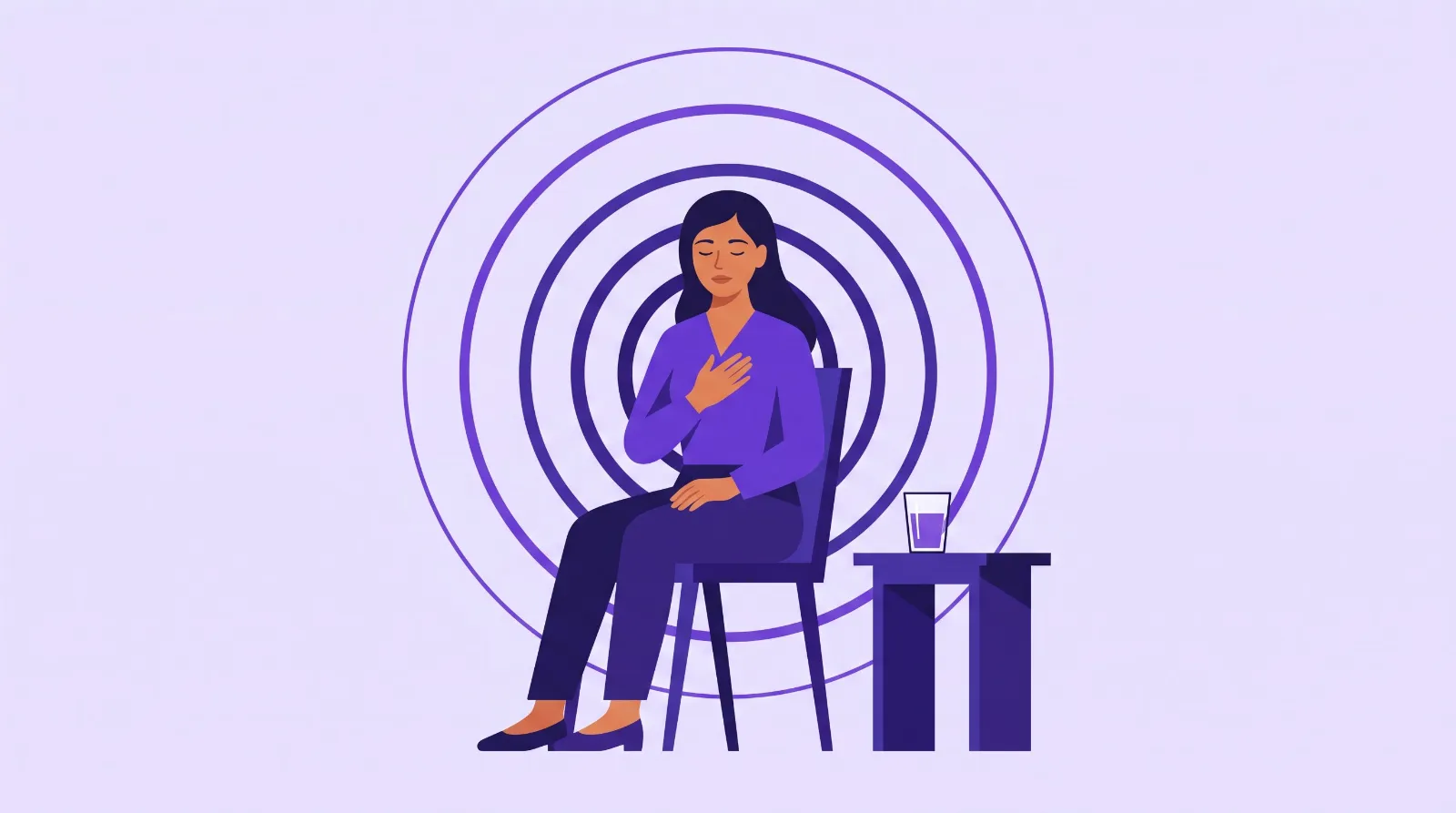
Your heart suddenly races, your chest feels tight, you cannot catch your breath and you feel sure something terrible is about to happen. Many people rush to the emergency room, only to be told the ECG and blood tests are normal.
This is often a panic attack. It is frightening, but it is not dangerous, and it is one of the most treatable problems in psychiatry.
What a panic attack feels like
A panic attack is a sudden wave of intense fear that usually peaks within about ten minutes. Common symptoms are:
• Pounding or racing heart
• Breathlessness or a feeling of choking
• Chest tightness or discomfort
• Sweating, trembling or shaking
• Dizziness or feeling faint
• Tingling or numbness in the hands or around the mouth
• Feeling unreal or detached from yourself
• A strong fear of dying, losing control or going mad
The attack passes on its own, usually within 20 to 30 minutes, but it can leave you drained and worried for hours.
Why do panic attacks happen?
The body has a built-in alarm system for danger, often called the fight or flight response. In a panic attack, this alarm goes off when there is no real danger. Adrenaline rises, breathing speeds up and the heart beats faster.
Common triggers and risk factors include long-term stress, lack of sleep, a recent loss or life change, too much tea, coffee or energy drinks, alcohol or cannabis use, and a family history of anxiety. Sometimes an attack comes out of the blue, which is what makes it so frightening.
Panic attack or panic disorder?
A single panic attack can happen to anyone. Panic disorder is when attacks keep coming back unexpectedly and you spend a month or more worrying about the next one, or changing your life to avoid it. People start avoiding the metro, crowded shops, driving or being alone at home.
This avoidance is what shrinks life, and it is the main thing treatment works on.
Rule out a physical cause first
Because the symptoms feel like a heart problem, a first attack should always be checked by a doctor. Thyroid overactivity, heart rhythm problems, low blood sugar, asthma and some medicines can cause similar symptoms.
If you have chest pain for the first time, especially if you are over 40 or have diabetes, high blood pressure or a family history of heart disease, go to the emergency department first. Once a physical cause has been ruled out, a psychiatrist can help.
What to do during an attack
These steps do not stop an attack at once, but they shorten it and take away its power:
• Remind yourself: this is a panic attack, it will peak and pass, it cannot harm me
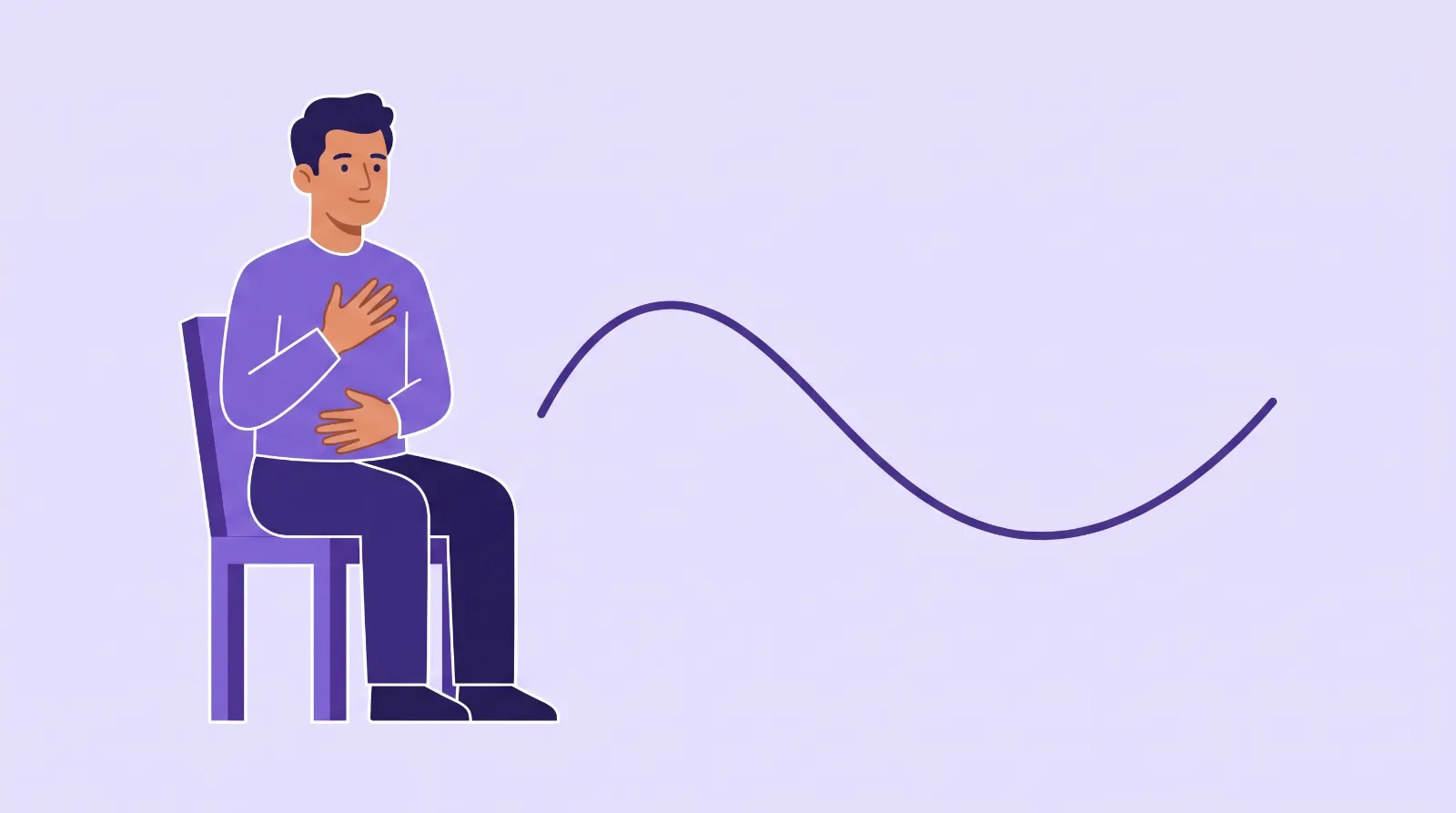
• Breathe slowly: in through the nose for about 4 seconds, out through the mouth for about 6 seconds, for a few minutes
• Ground yourself: name five things you can see, four you can touch, three you can hear
• Stay where you are if it is safe, rather than running away; leaving teaches the brain that the place was dangerous
• Avoid tea, coffee and cigarettes for the rest of the day
How panic is treated
Panic responds very well to treatment. Most people improve within a few weeks to a few months.
• Cognitive Behavioural Therapy (CBT): the most effective talking therapy for panic. You learn how the fear cycle works, how to handle body sensations, and how to return step by step to the places you have been avoiding
• Medicines: certain antidepressants taken daily reduce the number and strength of attacks over a few weeks. They are not habit-forming. Sleeping pills and quick-acting calming tablets are used only for a short time, if at all, because they can cause dependence
• Lifestyle: regular sleep, daily exercise, less caffeine and no alcohol or cannabis make relapse less likely
Your psychiatrist will suggest the right mix for you after a detailed assessment.
When to book a consultation
Please see a psychiatrist if you have had more than one panic attack, if you are avoiding places or activities because of fear, or if worry about the next attack is affecting your work, studies or family life.
Dr. Abdullah Kamlur, MBBS, MD (Psychiatry), treats anxiety and panic at Caspian Healthcare, Vijay Nagar Colony, and at Karla Mind & Neuromodulation, Jubilee Hills, in English, Hindi, Urdu and Telugu. To book, call +91-94410 88486 or use the Book button on this page.