rTMS for Depression: How It Works, Who It Helps and What to Expect
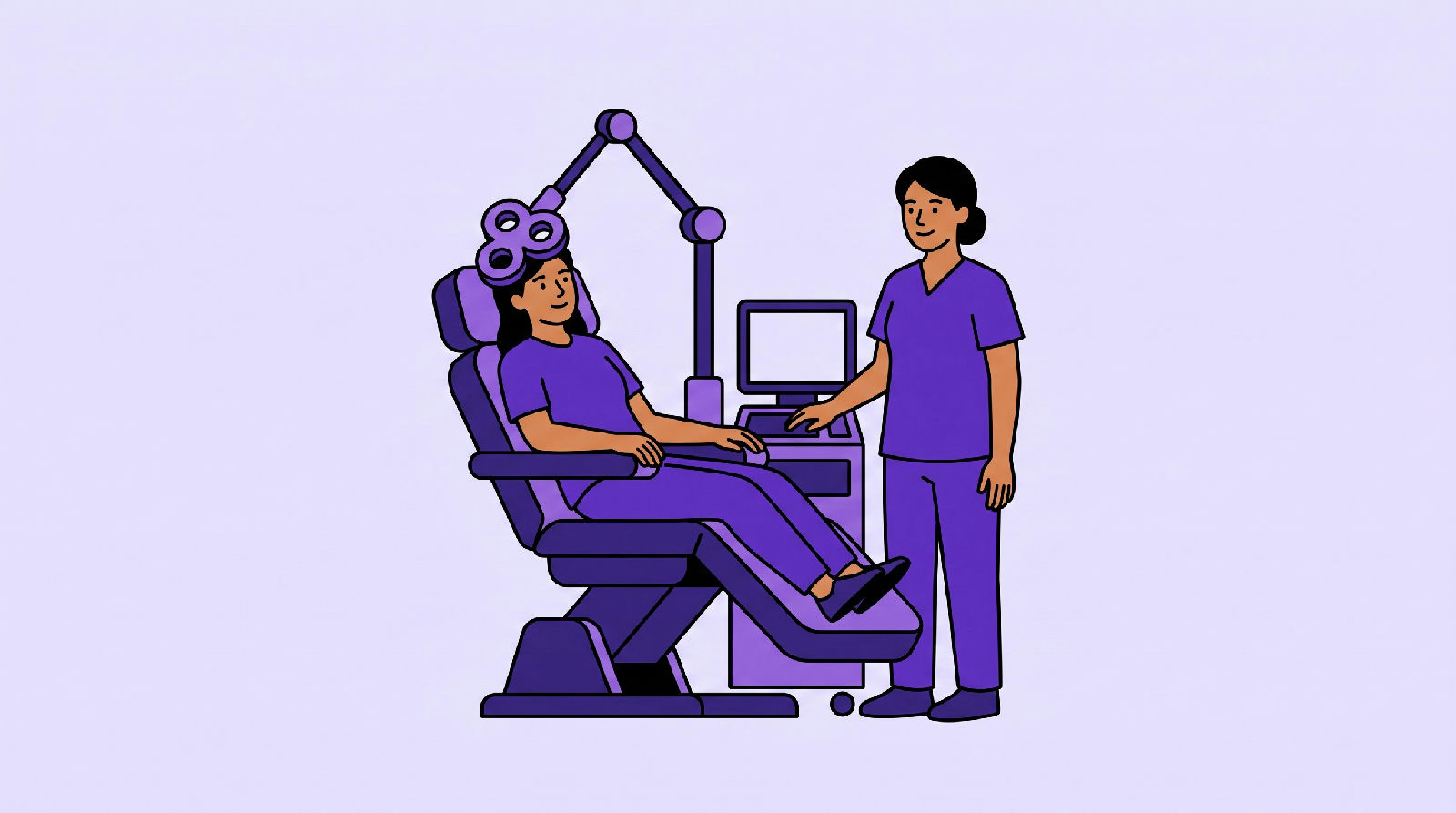
Medicines and therapy help most people with depression. But for some, symptoms continue even after trying two or more antidepressants, or the side effects are hard to tolerate. For these patients, repetitive transcranial magnetic stimulation (rTMS) offers a well-studied, non-invasive option.
rTMS has been approved for depression by the US FDA since 2008 and is now used in leading psychiatry centres across India.
How does rTMS work?
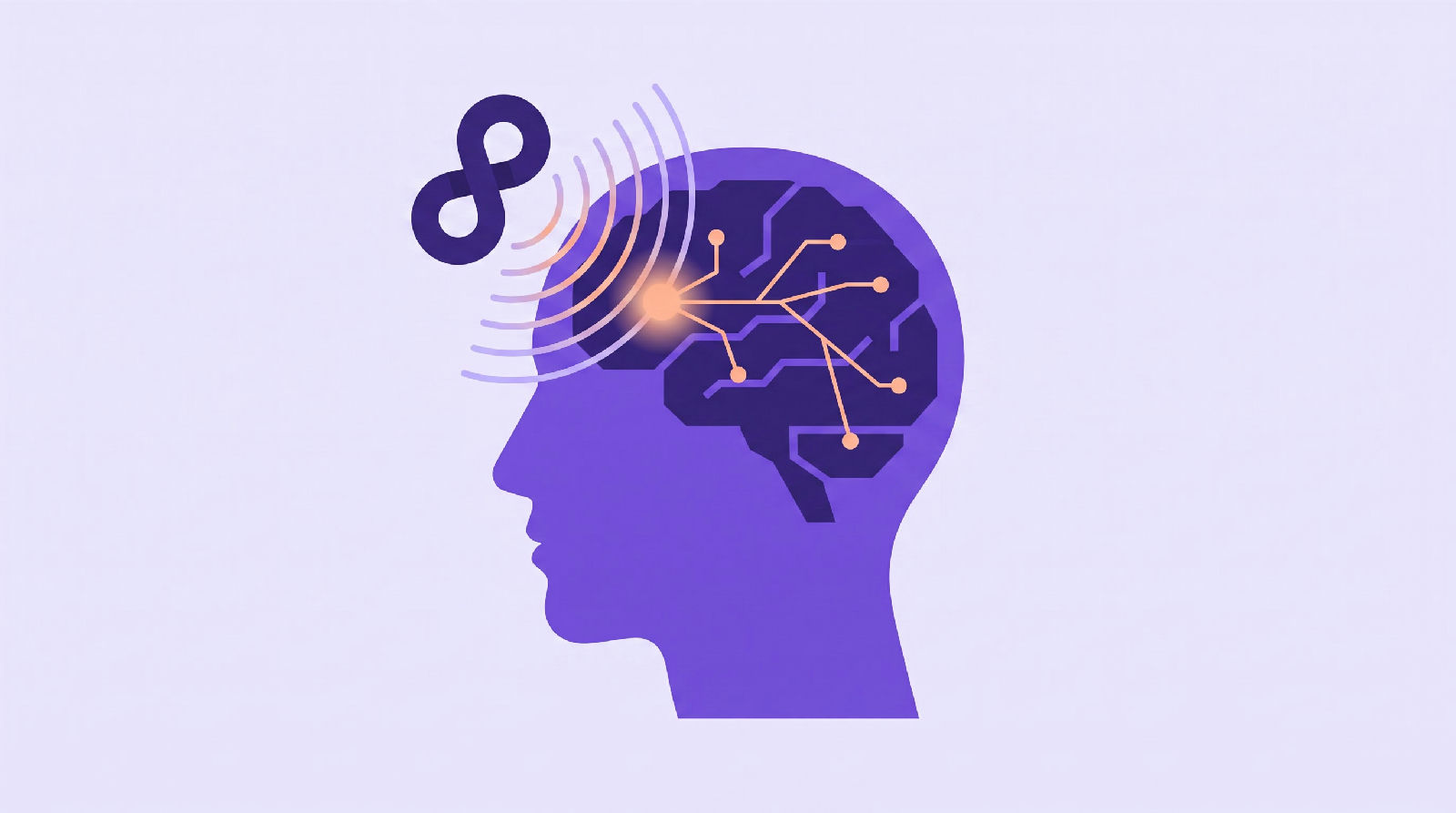
In depression, some areas at the front of the brain that help control mood become less active. During rTMS, a magnetic coil is placed gently against the scalp. It sends short magnetic pulses, similar to those used in an MRI scanner, into a specific area of the brain called the left dorsolateral prefrontal cortex.
These pulses create tiny electrical currents that wake up the underactive nerve cells. Over repeated sessions, the brain's mood circuits become more active and better connected, and symptoms start to ease.
Who can benefit?
rTMS may be advised if you have:
• Depression that has not improved enough after trying antidepressant medicines
• Side effects from medicines that make it hard to continue them
• A wish to avoid or reduce medicines, where appropriate
It is also used for some other conditions, such as obsessive compulsive disorder (OCD), under specialist guidance. Your psychiatrist will decide if rTMS is right for you after a full assessment.
What is a session like?
• You sit in a comfortable chair, fully awake. No anaesthesia and no injections are needed
• The coil is positioned on your head and the right strength is set for you
• You will hear clicking sounds and feel a tapping on the scalp during the pulses
• A session lasts from a few minutes to about 30 to 40 minutes, depending on the protocol
• You can go back to work, drive and carry on with your day right after
A usual course is five sessions a week for four to six weeks. Many people notice improvement in sleep, energy and mood during the second to fourth week.
Is rTMS safe?
rTMS is generally very well tolerated. The most common side effects are mild headache or scalp discomfort during the first few sessions, which usually settle on their own. A seizure is a very rare risk, and careful screening before treatment keeps it low.
rTMS is not suitable for people with metal implants in or near the head, such as aneurysm clips, cochlear implants or brain stimulators. Please tell your doctor about any implants, pacemakers, epilepsy or pregnancy before starting.
rTMS is not ECT
Many families confuse rTMS with electroconvulsive therapy (ECT). They are very different. rTMS does not need anaesthesia, does not cause a seizure, and does not affect memory. You stay awake and alert through each session.
How well does it work?
In real-world studies, about half of patients with difficult-to-treat depression respond well to a course of rTMS, and around one in three recover fully. Results are best when rTMS is combined with therapy, lifestyle support and continued follow-up with your psychiatrist.
rTMS in Hyderabad
Dr. Abdullah Kamlur, MBBS, MD (Psychiatry), assesses patients for rTMS and other neuromodulation treatments at Karla Mind & Neuromodulation, Road No. 36, Jubilee Hills, where he consults on Saturdays from 10:00 AM to 2:00 PM. He also consults at Caspian Healthcare, Vijay Nagar Colony.
To find out whether rTMS is right for you or a family member, call +91-94410 88486 or use the Book Appointment button on this page.