Is It Sadness or Depression? Signs It Is Time to See a Psychiatrist
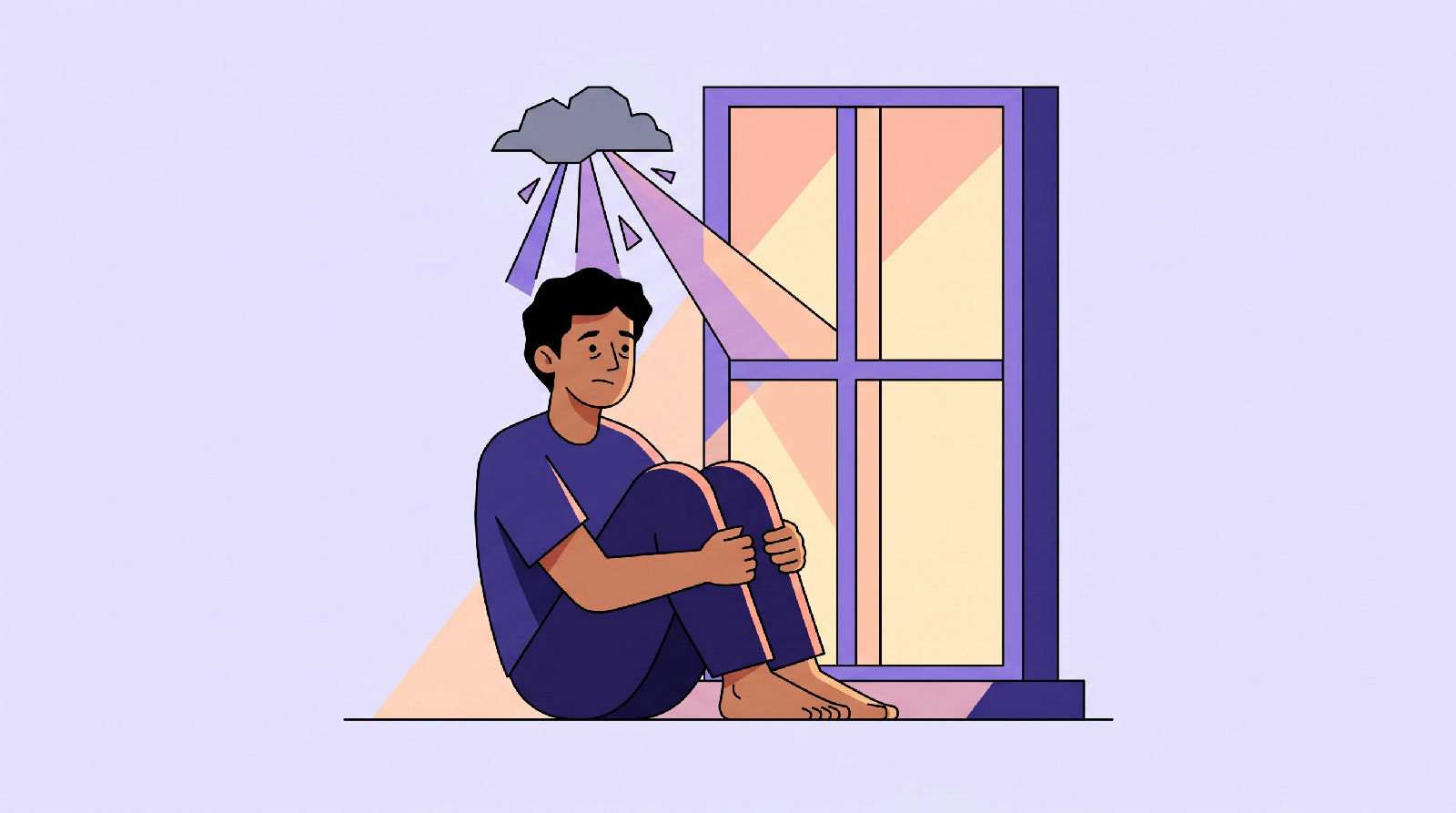
Everyone feels low at times. A bad week at work, an exam result, a fight at home or the loss of someone close can leave us sad for days. That is a normal human reaction, and it usually settles as life moves on.
Depression is different. It is a medical condition that affects mood, sleep, energy, thinking and even the body. It does not go away by "thinking positive", and it is not a sign of weakness. The good news is that depression is very treatable, and most people get better with the right care.
Sadness and depression are not the same
Sadness is usually linked to a clear reason, comes in waves and still allows you to enjoy some things, such as a meal with family or a favourite show.
Depression tends to stay most of the day, nearly every day. It often takes away the ability to enjoy anything at all, even things you used to love. People describe it as feeling empty, heavy or "switched off", sometimes without any clear reason.
Common signs of depression
Watch for these signs, in yourself or in someone close to you:
• Low, sad or empty mood most of the day
• Loss of interest or pleasure in work, hobbies, family or friends
• Sleeping too little, waking very early, or sleeping too much
• Poor appetite and weight loss, or eating much more than usual
• Tiredness and low energy, even after rest
• Feeling worthless, guilty or like a burden to others
• Trouble concentrating, remembering or making decisions
• Feeling slowed down, or restless and unable to sit still
• Thoughts that life is not worth living, or thoughts of death
If several of these have been present for two weeks or more, it is worth getting a proper assessment.
Depression can look different in different people
Many people in India first notice depression in the body rather than the mind. Common complaints are body aches, headache, burning feelings, gas and acidity, or constant tiredness, with normal test results.
In men, depression often shows up as anger, irritability, overwork or drinking more alcohol. In teenagers it can look like falling marks, staying in the room and staying on the phone. In older adults it may show up as poor memory, poor appetite and withdrawal. After childbirth, some mothers develop postpartum depression, which is more than the usual "baby blues".
When should you see a psychiatrist?
Please book a consultation if:
• Your symptoms have lasted more than two weeks
• Work, studies, marriage or family life are being affected
• You are using alcohol, tobacco or sleeping pills to cope
• You have had depression before and the signs are coming back
• You are a new mother and feel low, anxious or disconnected from your baby
If you or someone you know is having thoughts of self-harm or suicide, do not wait for an appointment. Go to the nearest emergency department, or call Tele-MANAS, the Government of India's free mental health helpline, on 14416 (24 hours, many Indian languages).
What happens at your first visit
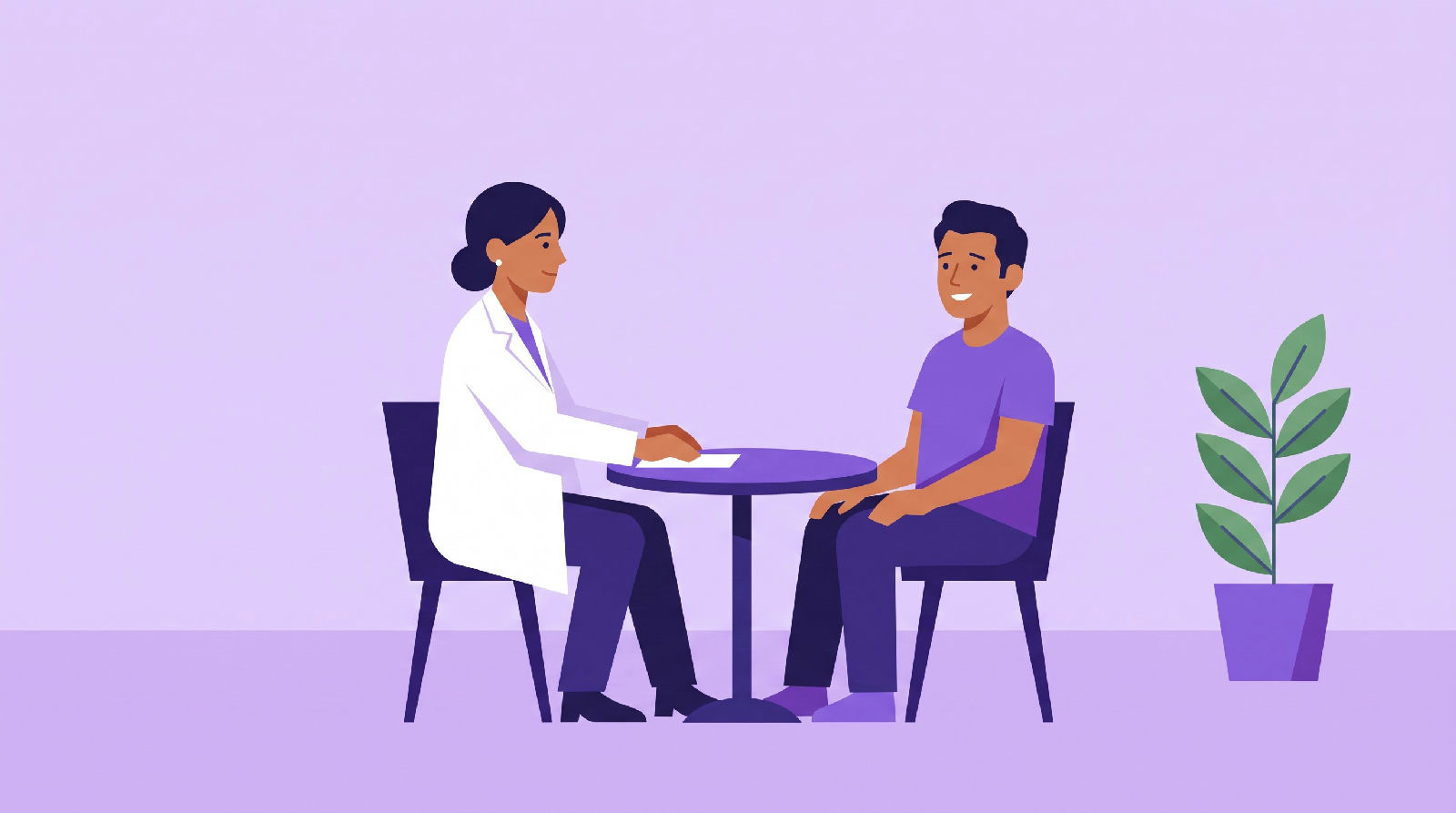
The first consultation is a calm, private conversation. Dr. Abdullah takes a detailed history of your symptoms, sleep, stress, family background, medical problems and medicines. He uses the 5P model (presenting, predisposing, precipitating, perpetuating and protective factors) to understand why the problem started and what is keeping it going.
Sometimes simple blood tests are advised, such as thyroid function, haemoglobin or vitamin B12, because these can cause or worsen low mood. You leave with a clear explanation of what is happening and a treatment plan made for you.
How depression is treated
Treatment is planned around your needs and usually combines more than one approach:
• Talking therapy, such as Cognitive Behavioural Therapy (CBT), which teaches practical ways to handle negative thoughts and low mood
• Antidepressant medicines when needed. Modern antidepressants are not addictive and are not sleeping pills. They usually take two to six weeks to show full benefit, and they should not be stopped suddenly without your doctor's advice
• Lifestyle support: regular sleep, daily physical activity, sunlight, reducing alcohol and staying connected with people
• For depression that has not improved with medicines, newer options such as rTMS (repetitive transcranial magnetic stimulation) can help
Most people start feeling better within a few weeks, and many recover fully.
Three common myths
"Depression is a sign of a weak mind." It is not. Depression is a medical condition linked to brain chemistry, genes, stress and life events. It can affect anyone.
"Psychiatric medicines are addictive and make you dull." Antidepressants are not habit-forming. The right medicine at the right dose should help you feel more like yourself, not less.
"Talking to family is enough." Support from family is very important, but it is not a replacement for treatment when the illness is real.
Take the first step
Asking for help is a sign of strength. Dr. Abdullah Kamlur, MBBS, MD (Psychiatry), consults at Caspian Healthcare, Vijay Nagar Colony, and at Karla Mind & Neuromodulation, Jubilee Hills. Consultations are confidential and available in English, Hindi, Urdu and Telugu.
To book, call +91-94410 88486 or use the Book Appointment button on this page.